
Introduction
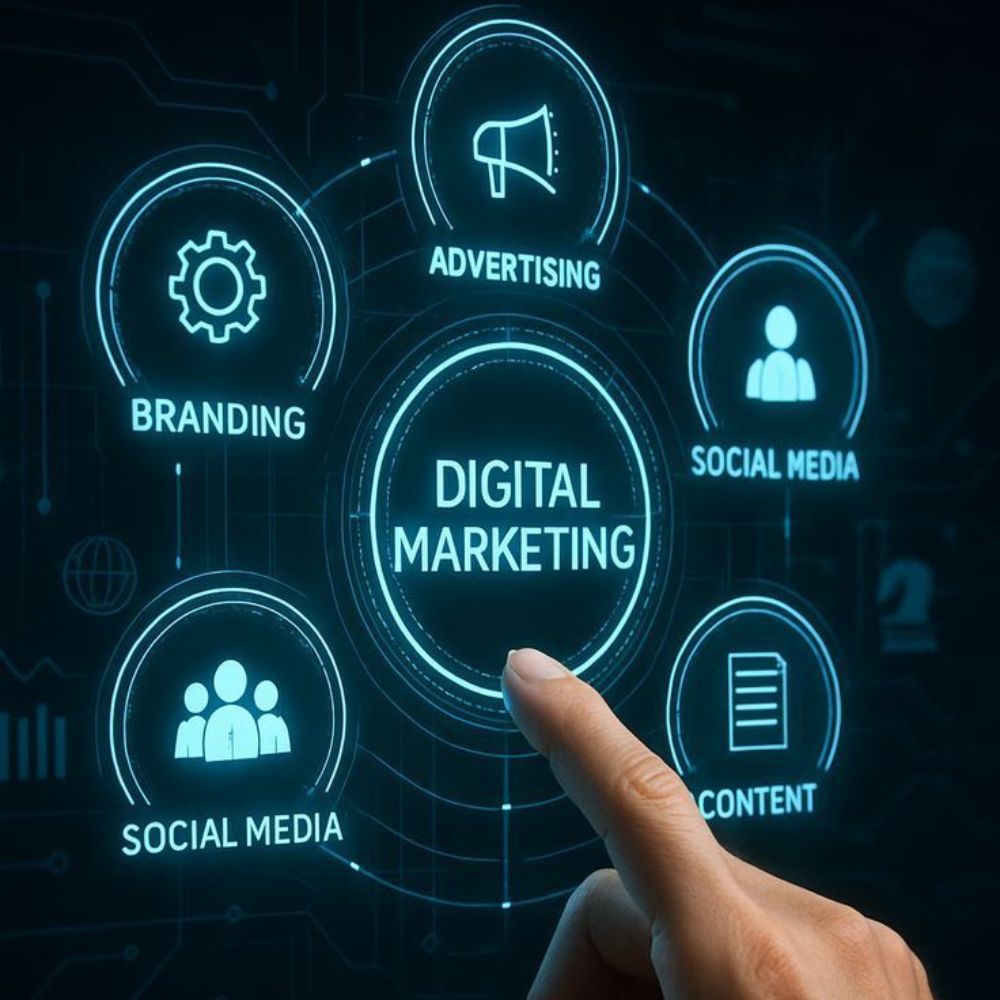
Digital marketing has transformed the way businesses connect with their audiences. As technology evolves, the strategies and tools marketers use continue to shift dramatically. With 2026 approaching, understanding the emerging trends is crucial for businesses looking to stay ahead of the competition. This article explores the future of digital marketing and highlights the key trends that marketers should watch.
1. Artificial Intelligence and Machine Learning
Artificial intelligence (AI) and machine learning are no longer futuristic concepts—they are now integral to digital marketing. AI can analyze consumer behavior, predict trends, and automate tasks such as content creation and ad placement. By 2026, marketers will rely even more on AI-driven tools to personalize customer experiences, optimize campaigns, and improve decision-making processes. Machine learning algorithms will allow businesses to anticipate customer needs and deliver targeted messages with unprecedented precision.
2. Voice Search Optimization
With the rise of smart speakers and virtual assistants, voice search is changing how consumers find information. Optimizing content for voice search will become increasingly important in 2026. This involves focusing on natural language, long-tail keywords, and providing direct answers to common questions. Marketers will need to adapt their SEO strategies to capture traffic from voice-enabled devices and ensure their brands remain visible in this growing channel.
3. Video Marketing Dominance
Video marketing has grown exponentially, and this trend will continue. Short-form videos, live streams, and interactive video content will dominate social media and online platforms. Video provides an immersive experience that engages users more effectively than text or images alone. By 2026, brands that invest in high-quality, creative video content will gain a competitive advantage, as audiences increasingly prefer visual storytelling.
4. Personalization at Scale
Consumers now expect personalized experiences. By 2026, personalization will extend beyond email marketing and product Digital Marketing recommendations to every touchpoint in the customer journey. AI and data analytics will allow marketers to tailor content, offers, and messaging based on individual preferences, behaviors, and past interactions. Personalized marketing fosters stronger relationships, higher engagement, and increased loyalty.
5. Interactive and Immersive Content
Interactive content, such as polls, quizzes, augmented reality (AR) experiences, and virtual reality (VR) applications, is gaining traction. These formats allow users to actively participate, making the experience more memorable. In 2026, marketers will increasingly use immersive content to engage audiences, enhance brand storytelling, and provide unique digital experiences that set them apart from competitors.
6. Sustainability and Ethical Marketing
Consumers are becoming more conscious of social, environmental, and ethical issues. Digital marketing in 2026 will increasingly focus on sustainability, transparency, and corporate responsibility. Brands that showcase their commitment to these values through authentic campaigns will resonate with audiences. Ethical marketing also means responsible data usage, clear privacy policies, and building trust with consumers.
7. Influencer Marketing Evolution
Influencer marketing will continue to evolve, moving toward long-term partnerships with micro and nano-influencers rather than one-off campaigns with celebrities. These influencers often have highly engaged, niche audiences, which allows brands to connect with consumers more effectively. In 2026, authenticity and credibility will be the driving factors for successful influencer collaborations.
8. Advanced Analytics and Data-Driven Decisions
Data is the backbone of digital marketing. By 2026, businesses will use advanced analytics to make smarter decisions. Predictive analytics, customer segmentation, and real-time performance tracking will enable marketers to refine strategies quickly. Data-driven marketing ensures that resources are allocated efficiently and campaigns are optimized for maximum impact.
9. Omnichannel Marketing Integration
Consumers interact with brands across multiple channels, from social media and email to websites and physical stores. Omnichannel marketing, which ensures a seamless experience across all touchpoints, will be critical in 2026. Brands will need to integrate their messaging and maintain consistent branding to provide a cohesive and satisfying customer journey.
10. Automation and Marketing Technology
Marketing automation tools are simplifying repetitive tasks such as email campaigns, social media posting, and lead nurturing. In 2026, automation will extend to more sophisticated areas, including AI-powered content creation, predictive lead scoring, and customer journey mapping. Marketers who embrace automation can focus more on strategy, creativity, and relationship-building, leaving routine processes to technology.
Conclusion
The future of digital marketing in 2026 will be defined by technology, personalization, and ethical practices. Businesses that embrace AI, voice search, video marketing, interactive content, and data-driven strategies will have a clear advantage. At the same time, brands must remain authentic, sustainable, and focused on delivering meaningful experiences. By staying informed and adapting to these emerging trends, marketers can ensure their strategies remain effective in a rapidly changing digital landscape.